ILAGAN CORN INDUSTRY

Ilagan: Where Corn Reigns Supreme

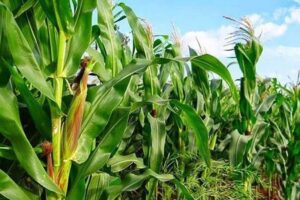
Ilagan City, nestled in the heart of Cagayan Valley, isn’t just another destination. It’s the beating heart of the Philippine corn industry, proudly crowned the “Corn Capital of the Philippines.” Here, corn isn’t just a crop; it’s a way of life, a source of livelihood, and a driver of innovation. From sprawling fields shimmering under the sun to the state-of-the-art I-Corn Complex, Ilagan’s commitment to corn is evident everywhere you turn. Get ready to delve into a world where corn is more than just a cob – it’s the golden thread weaving together tradition, progress, and a delicious future.

KNOW MORE ABOUT CITY'S CORN INDUSTRY

Corn Production

GROWING PRACTICES

Post-Planting Care

Irrigation: Manage water needs based on rainfall and plant growth stage.

  • Fertilization: Apply fertilizer according to soil test results and crop needs.
  • Weed Control: Manual weeding or herbicides can be used to manage weeds.
  • Pest and Disease Management: Monitor for common corn pests and diseases and implement control measures as needed.
Planting

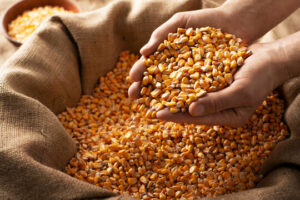
  • Seed Selection: Choose high-quality, disease-resistant corn varieties suited for Ilagan’s climate and intended purpose (grain, feed, etc.).
  • Planting Depth: Ideally 3-5 cm deep.
  • Planting Spacing: Typically 25 cm between hills and 75 cm between rows, aiming for a population density of 50,000-60,000 plants per hectare.
  • Planting Method: Manual planting or using a mechanical planter for larger fields.
Land Preparation

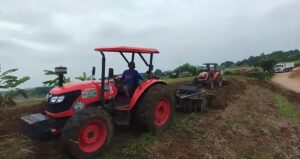
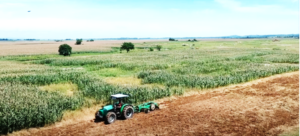
  • Plowing: First plowing to turn over soil and bury crop residues. A second plowing may be needed for compacted soil.
  • Harrowing: Breaks up large clumps and creates a fine, even seedbed.
  • Soil Testing (Optional): Helps determine nutrient levels and guide fertilizer application.

Planting Season

  • Wet Season (preferred): May to June – This coincides with the rainy season, providing ample natural moisture for germination and growth.
  • Dry Season (alternative): December to January – Requires irrigation to supplement rainfall.

IRRIGATION NETWORK

PASA DAM

The Pasa Dam is a reservoir in City of Ilagan, Isabela that provides irrigation for nearby farms and helps control flooding by harnessing the Pasa River. It was built with Korean aid to improve agricultural productivity and resilience to climate change.

SMART AGRICULTURE

USING DRONE TECHNOLOGY 

Drones are used in a variety of applications, including those related to agriculture, which are called Unmanned Aerial Vehicles or UAVs. Our City Agriculturist quoted that drone technology can help a lot in agricultural work now that the so-called “smart farm” is gradually being embraced. According to him, smart farming is a method of farming that uses modern information and communications technology or ICT to increase production and improve the quality of farm produce. He further explained that drones are commonly used to spray fertilizers, pesticides, and herbicides to save costs for farmers and make their work in the fields easier likewise that up to 90% in water and 30% to 40% in pesticides can be saved using this technology which has a big help to our “Mammangi” Farmers

CANON WATER SPRAY FOR CORN is a type of irrigation system that utilizes high-pressure water cannons to distribute water over a wide area. In the context of corn plantations in Ilagan City, it offers several potential advantages:


Advantages of Canon Water Spray for Corn in Ilagan:

  • Efficient Water Distribution: Canon systems can cover large areas quickly, ensuring even water distribution across the cornfield.
  • Flexibility: The cannons can be adjusted to reach different areas of the field, allowing for targeted irrigation based on soil moisture levels.
  • Potential for Fertilization: Some systems can be equipped to apply fertilizers along with water, saving time and resources.
  • Cooling Effect: In the hot climate of Ilagan, the water spray can help cool the plants, potentially improving growth and yield.

ADAPTATION AND MITIGATION INITIATIVE IN AGRICULTURE

The Adaptation and Mitigation Initiative in Agriculture (AMIA) program is a key initiative in Ilagan, Isabela, implemented by the Department of Agriculture (DA) of the Philippines. It focuses on building resilience in farming communities against climate change and economic shocks. Here’s a breakdown of AMIA’s role in Ilagan’s agricultural sector:

Adaptation: Aims to equip farmers with tools and knowledge to adapt to changing weather patterns. This may involve:
Climate-Smart Agriculture Practices: Techniques like drought-resistant varieties, water-efficient irrigation, and soil conservation methods to help farmers cope with changing rainfall patterns and extreme weather events.
Early Warning Systems: Providing farmers with information on impending weather events to allow them to take preventive measures and protect their crops.
Mitigation: Focuses on reducing greenhouse gas emissions from agricultural activities. This could include:
Improved Nutrient Management: Practices that minimize fertilizer use and prevent excess nutrients from reaching waterways, reducing nitrous oxide emissions (a potent greenhouse gas).
Promotion of Biogas Production: Encouraging farmers to convert agricultural waste into biogas for energy, reducing reliance on fossil fuels and mitigating their emissions.

Establishing "Climate-Smart Villages" where farmers are trained in climate-resilient practices, leading to increased yields despite changing weather conditions [Alliance Bioversity International - CIAT]. Implementation of the Pasa Dam project, which provides irrigation and flood control, enhancing agricultural productivity and resilience [Inquirer.net]. By promoting adaptation and mitigation strategies, AMIA helps Ilagan's farmers become more resilient to climate change and build a more sustainable agricultural future

CORN VARIETIES

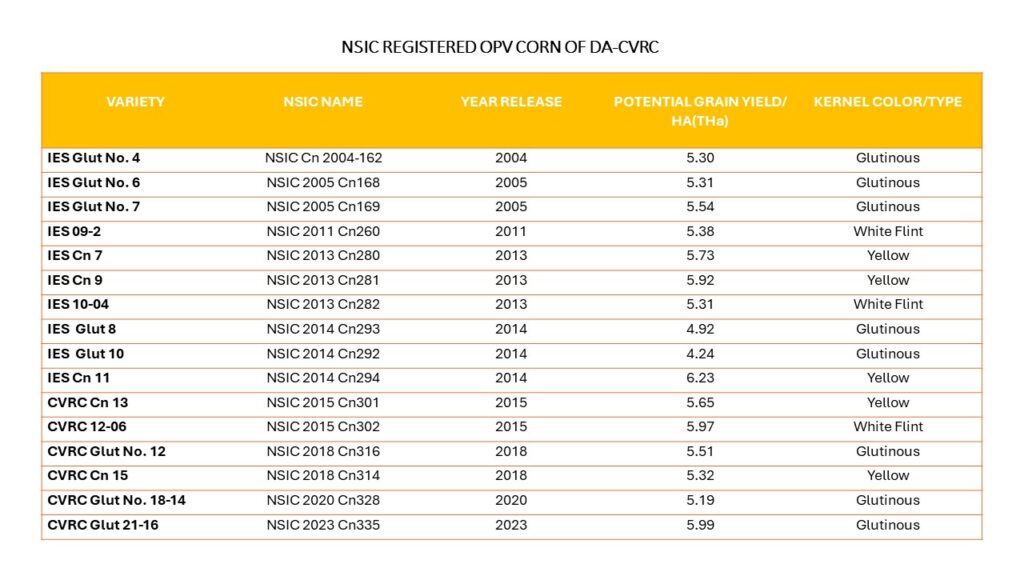
City of Ilagan, being the top corn producer in the Philippines, cultivates a variety of corn types depending on their end use. Here are some of the popular choices and common corn varieties grown in the city:

Hybrid Corn

Hybrid corn seeds are a result of crossing two different, purebred corn varieties. This process creates corn plants with superior characteristics, such as higher yields, improved disease resistance, and better drought tolerance. Hybrid corn varieties are popular choices among Ilagan farmers due to their increased productivity.
Yellow Corn

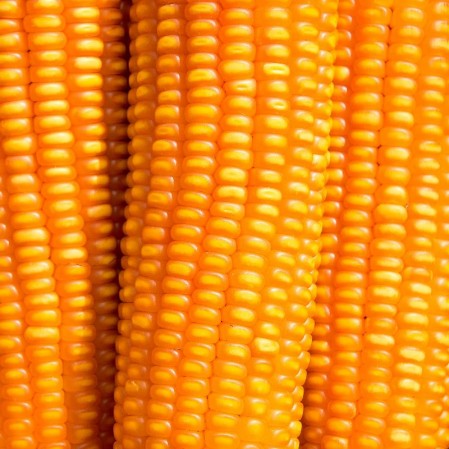
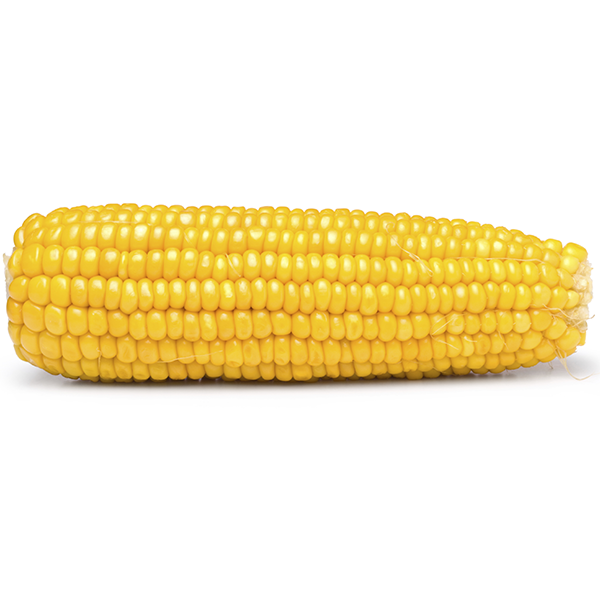
This is the dominant corn variety grown in Isabela, accounting for a significant portion of the Ilagan's corn production. Yellow corn is primarily used for animal feed due to its high starch content. However, it can also be processed into human food products like corn oil, corn syrup, and some snack foods.
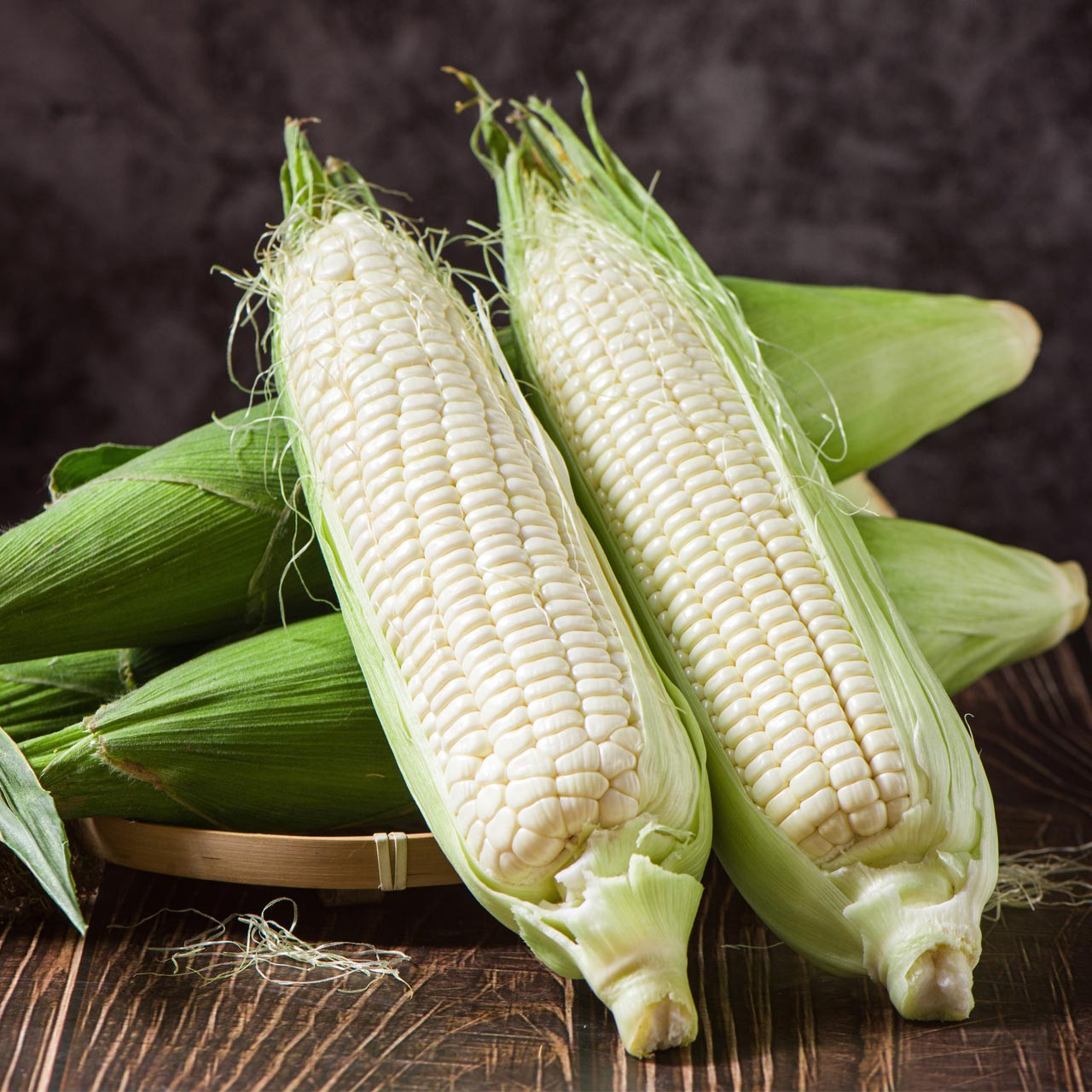
White Corn

White corn is another important variety grown in Ilagan. Compared to yellow corn, it has a lower starch content but a higher protein content. White corn is commonly consumed by humans directly on the cob or ground into corn flour for making postillas (rice cakes) and grits.
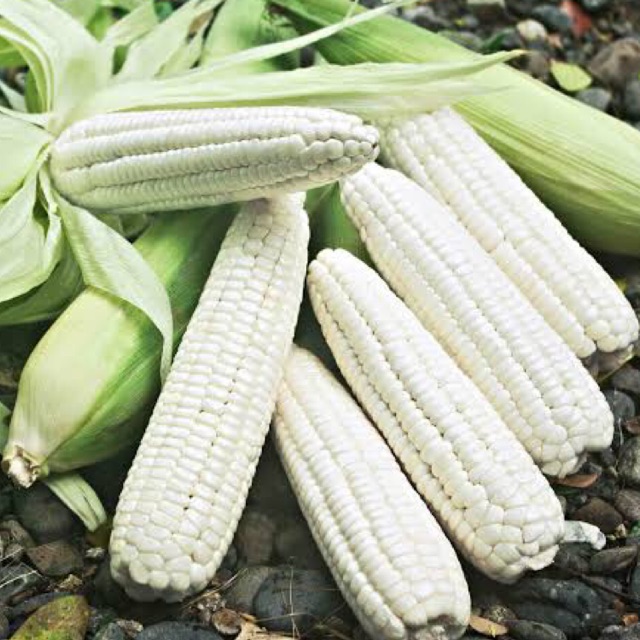
Glutinous Corn

Glutinous corn also known as waxy corn, is a type of corn with a unique texture. Unlike regular sweet corn, which is crisp and juicy, glutinous corn becomes sticky and chewy when cooked. This is because glutinous corn has a higher amount of amylopectin starch, which gives it its characteristic gumminess.
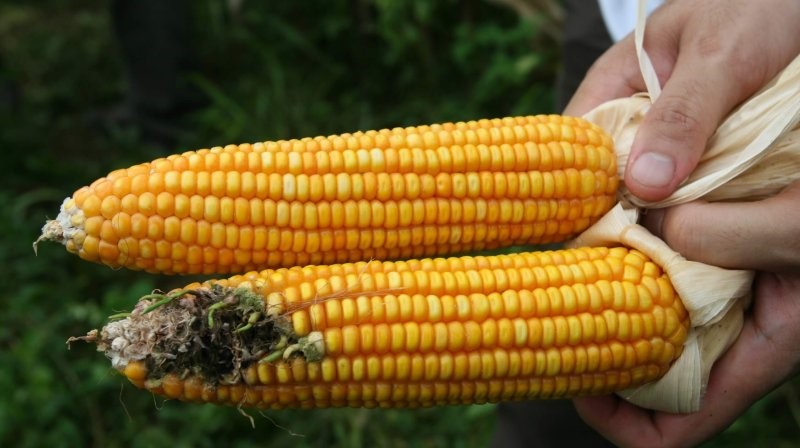
Bt Corn

Bt corn, also known as Bacillus thuringiensis corn, is a genetically modified variety that contains a gene from the soil bacterium Bacillus thuringiensis. This gene produces a protein that is toxic to certain insect pests, including corn borers. Bt corn varieties can help reduce crop losses caused by these pests.
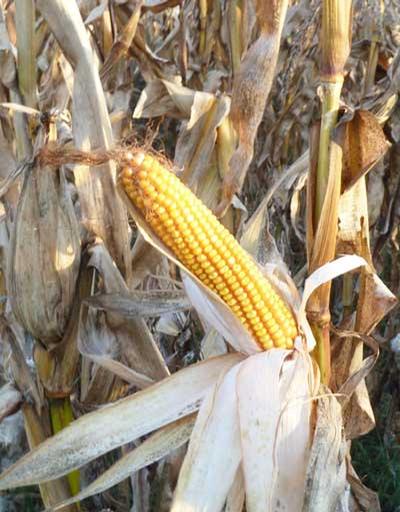
Open-pollinated Varieties (OPVs)

Open-pollinated corn varieties are pollinated naturally by wind or insects. Unlike hybrids, OPVs can be saved and replanted for the next season. However, OPVs generally have lower yields compared to hybrids.
Corn Processing and Utilization

Corn Processing and Utilization

Post-Harvest Handling

Drying:

  • Purpose: To reduce moisture content, preventing spoilage and mold growth.
  • Methods:
    • Sun drying: A traditional method where corn is spread out in the sun to dry.
    • Artificial drying: Uses heat sources like dryers or kilns to expedite the drying process.
  • Importance: Proper drying ensures safe storage, maintains quality, and increases shelf life.

Storage:

  • Purpose: To preserve corn until it’s processed or consumed.
  • Methods:
    • Crib storage: Corn is stored in wooden or metal structures with ventilation.
    • Bin storage: Corn is stored in large metal bins with aeration systems.
    • Bag storage: Corn is stored in bags, usually in a dry and ventilated area.
  • Importance: Proper storage protects corn from pests, moisture, and other factors that can reduce quality.
Corn Milling

Types of Milling:

  • Dry Milling:
    • Corn kernels are dried and ground into various products.
    • Products: Cornmeal, grits, hominy, corn flakes, and animal feed.
  • Wet Milling:
    • Corn kernels are steeped in water to separate components.
    • Products: Starch, sweeteners (corn syrup, high fructose corn syrup), corn oil, gluten feed, and gluten meal.

Milling Products:

  • Human consumption: Cornmeal, grits, corn flakes, corn starch, corn syrup, corn oil, and corn-based snacks.
  • Animal feed: Gluten feed, gluten meal, distillers grains (byproduct of ethanol production).
  • Industrial uses: Starch for paper, textiles, adhesives; corn oil for cooking, margarine, biodiesel; and other derivatives for various industrial applications.
Value-Added Products

Corn Snacks:

  • Examples: Popcorn, tortilla chips, corn puffs, corn curls, and other extruded snacks.
  • Value addition: Processing corn into snacks increases its value by transforming it into a convenient and appealing product.

Biofuels:

  • Main product: Ethanol, a biofuel used as a gasoline additive.
  • Value addition: Converts a renewable resource into a clean-burning fuel, reducing dependence on fossil fuels.

Industrial Uses:

  • Products: Starch, corn oil, gluten, and other derivatives.
  • Applications: Paper, textiles, adhesives, bioplastics, animal feed, and various industrial chemicals.
  • Value addition: Utilizing corn byproducts for industrial purposes creates additional revenue streams and reduces waste.

In summary, corn processing and utilization involve a series of steps, from post-harvest handling to milling and the creation of value-added products. Each stage contributes to the overall value of the corn crop, providing food, feed, fuel, and industrial materials.

Market & Trade
  • Market & Trade:
    • Corn Price Trends (local and regional market information)
    • Marketing Strategies (tips for selling corn profitably)
    • Export Opportunities (information on exporting corn)
Consumption
Sustainability
  • Sustainability:
    • Soil Conservation Practices (techniques to maintain soil health)
    • Water Management (irrigation methods for efficiency)
    • Renewable Energy from Corn (biogas production)
Resources

GOVERNMENT LINKS

DA-CVRC Ilagan Cagayan Valley Research Center, National Highway, San Felipe, City of Ilagan, Isabela

DA-RCPC Ilagan (Department of Agriculture – Regional Crop Protection Center), Rizal St., San Vicente, City of Ilagan, Isabela

EVENTS CALENDAR (Workshops, Conferences & Trainings)

THE PHILIPPINE YELLOW CORN INDUSTRY ROAD MAP 2021-2040

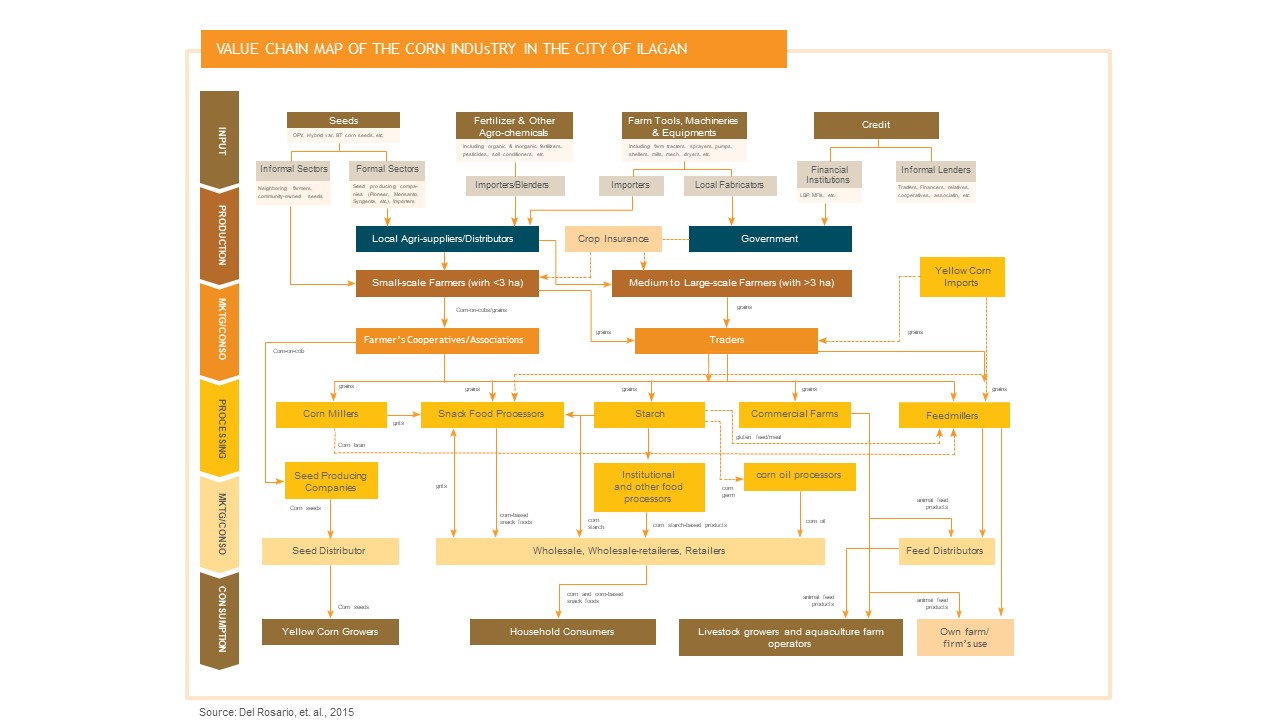
Value Chain of Corn

Key Production Areas

Overview of Corn Production Areas in Ilagan City

The total area for corn production in Ilagan City is 17,568 hectares breakdown as follows:

  • River Flood Rain Areas (7,027.20 hectares almost the land area of Municipality of Biliran, Biliran Province): These low-lying regions are susceptible to flooding, posing significant risks to corn cultivation. However, when properly managed, they can yield high productivity due to fertile soils replenished by river sediments.
  • Broad Plains (5,446.08 almost the land area of Municipality of San Jose, Negros Oriental): These flat areas offer relatively stable conditions for corn growth. Their expansive nature allows for large-scale cultivation, making them ideal for mechanized farming.
  • Hilly Areas (5,094.72 hectares almost the land area of Municipality of Santo Domingo, Ilocos Sur): Corn production in hilly terrains is more challenging due to the sloping topography. However, these areas often have well-drained soils, reducing the risk of waterlogging.

 (Reference: https://en.wikipedia.org/wiki/List_of_cities_and_municipalities_in_the_Philippines)

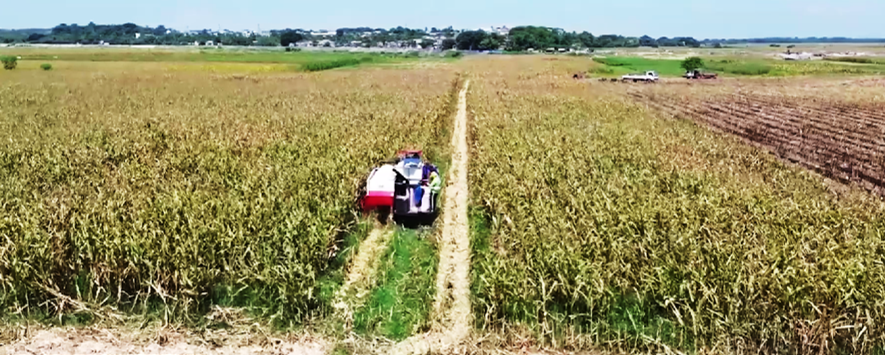
Ilagan City shines as a corn production powerhouse! 🌽💪 with a remarkable yield of 155,767 metric tons from 17,568 hectares, we’re proud to contribute to the nation’s food security. #IlaganFarmers #CornHarvest #AgriculturalExcellence

Key Production Areas

By Diverse Topography (Hectares)

No Data Found