Climate Considerations and Breed Selection
Ilagan, Cagayan Valley enjoys a tropical savanna climate characterized by a distinct dry and wet season. This can influence dairy cattle breeds suitable for the area. Here’s a breakdown to consider:
Ilagan’s Climate:
- Warm Temperatures: Average highs range from 28°C to 33°C (82°F to 91°F).
- Humidity: Generally high throughout the year.
- Rainfall: Varies with a pronounced wet season (June to November) and a dry season (December to May).
Considerations for Dairy Production:
- Heat Stress: Heat and humidity can significantly impact milk production and cow health.
- Forage Availability: Rainfall patterns affect forage growth and quality.
Suitable Breeds:
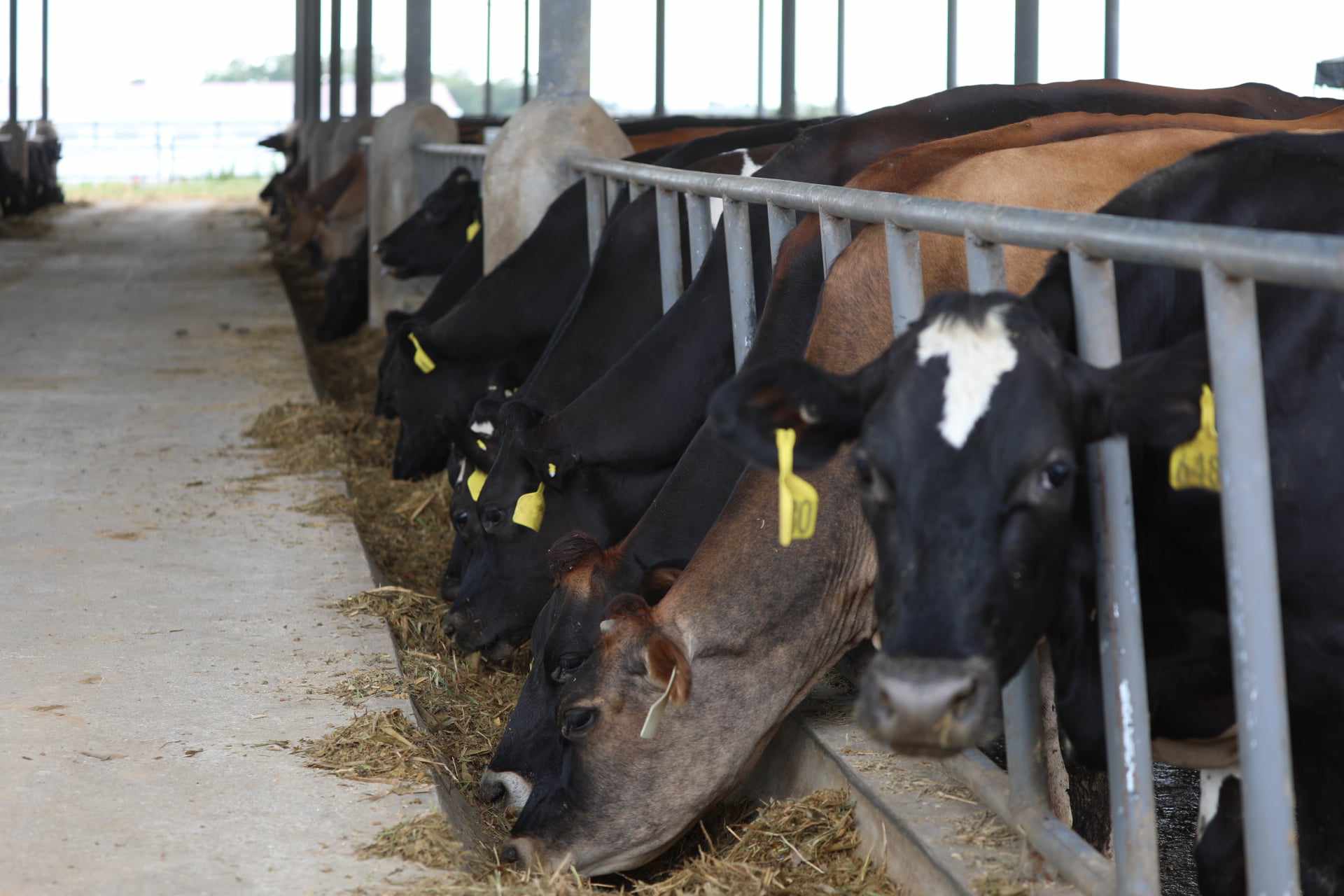
- Jersey: Known for their heat tolerance and efficient milk production on lower feed intake. Jerseys are smaller framed and well-adapted to warmer climates.
- Holstein Friesian: Can also be suitable, particularly high-producing animals with good heat stress management practices. Holsteins are larger framed and require a good amount of high-quality forage.
Additional Tips:
- Heat Abatement Strategies: Providing shade, proper ventilation, and access to cool water are crucial.
- Forage Management: Planting heat-tolerant forage varieties and ensuring adequate feed quality during dry seasons is essential.
- Focus on Genetics: Selecting cows within breeds known for heat tolerance can be beneficial.
Jersey vs. Holstein Cows in Dairy Production: A Head-to-Head
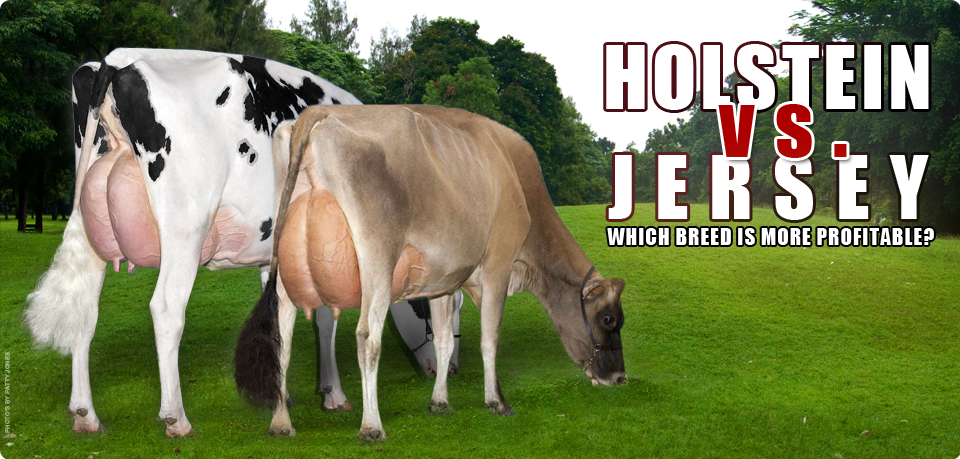
Here’s a breakdown comparing Jerseys and Holsteins, two popular dairy breeds:
Milk Production:
- Holstein: Winner in terms of total milk volume. They produce an average of 76.91 lbs/day compared to Jersey’s 59.27 lbs/day.
- Jersey: Winner in terms of milk composition. Their milk boasts a higher content of:
- Fat (4.98% vs 3.57%) – Ideal for butter and cheese production.
- Protein (3.66% vs 3.03%) – Contributes to cheese yield and milk quality.
- Solids-not-fat (9.42% vs 8.78%) – Affects processing and nutritional value.
Efficiency:
- Jersey: More efficient converters of feed to milk. They produce a pound of milk components with less feed compared to Holsteins.
Size and Management:
- Holstein: Larger framed cows (average weight 1,500+ lbs) requiring more space, feed, and potentially larger milking facilities.
- Jersey: Smaller framed cows (average weight 1,200 lbs) needing less space and potentially lower feed costs. However, their smaller size may require adjustments in milking parlor equipment.
Other factors:
- Heat Tolerance: Jerseys are generally considered more heat tolerant due to their smaller size and lower metabolic rate. This is a significant advantage in warm climates.
- Temperament: Jerseys can be known for a more independent and spirited personality, while Holsteins tend to be calmer.
- Longevity: Jerseys may have a longer productive lifespan in the herd compared to Holsteins.
Choosing the Right Breed:
The best breed depends on your specific goals and circumstances. Here’s a quick guide:
- High-Volume Production: Holstein may be ideal if total milk volume is your primary concern.
- High-Quality Milk & Heat Stress: Jerseys are a strong choice if you prioritize milk composition, have a warm climate, and manage a smaller farm.
Ultimately, consulting with our dairy experts and considering factors like your climate, available resources, and market demands will help you make the best breed choice for your dairy operation.
Carabao Dairy Production: A Potential Niche for Ilagan City
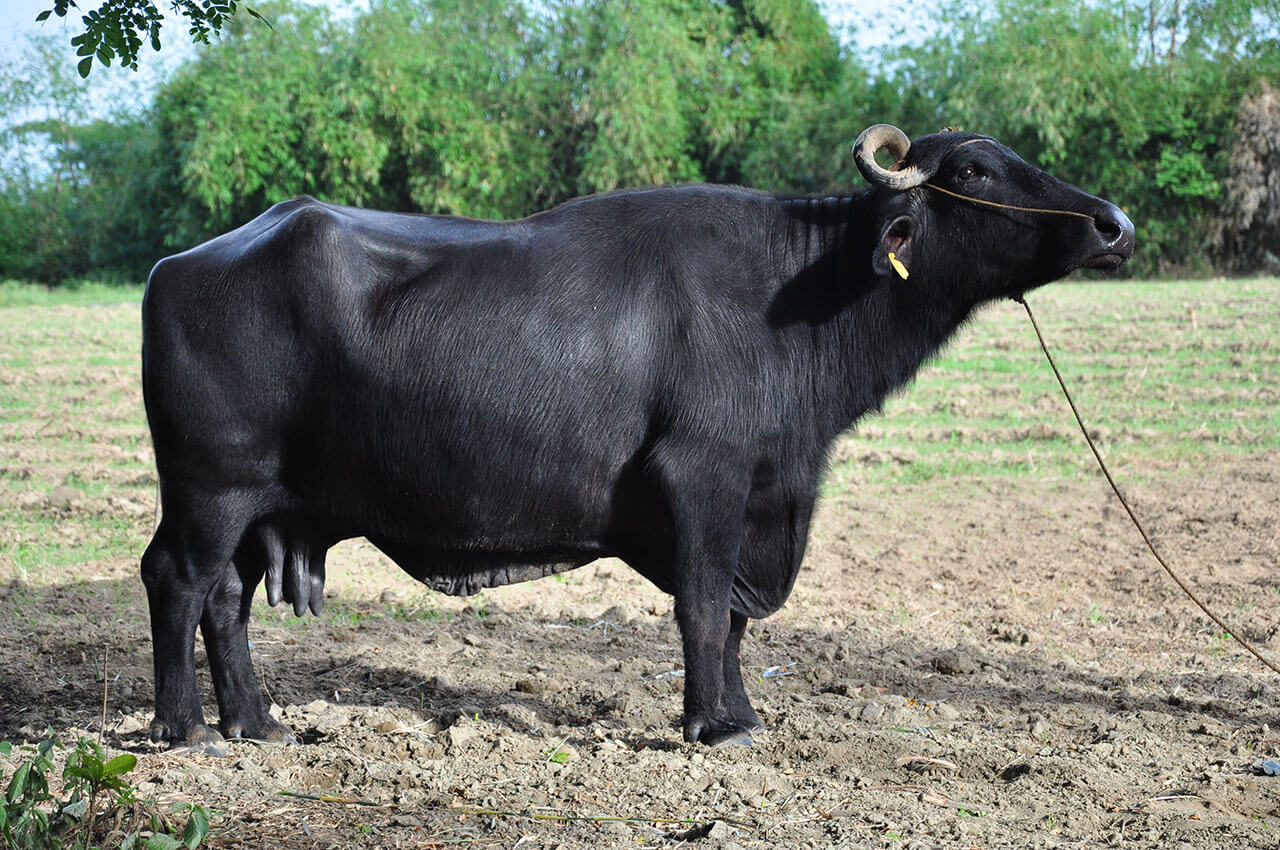
Ilagan City boasts a climate perfectly suited for carabao, also known as water buffalo. This opens doors for exploring carabao dairy production as a niche market within the city’s dairy industry. Here’s an overview of its potential and considerations:
Why Carabao Dairy in Ilagan?
- Climate Match: Carabao are renowned for their ability to thrive in hot and humid environments like Ilagan’s. They require less shelter and cooling compared to dairy cows.
- Disease Resilience: Generally, carabao exhibit stronger resistance to common diseases plaguing dairy cattle, potentially reducing veterinary needs.
- Unique Milk Composition: Carabao milk boasts a higher butterfat content (7-8%) compared to cow milk. This translates to:
- Rich and Flavorful Products: Ideal for creating premium quality cheese, yogurt, or even decadent gelato with a carabao milk twist.
- Potential Health Benefits: Some consumers perceive higher butterfat milk as having a creamier taste and may associate it with certain health benefits (consult a healthcare professional for personalized dietary advice).
Considerations for Success:
- Market Development: Carabao milk consumption in the Philippines is not as widespread as cow milk. Building consumer awareness and demand for carabao milk products is crucial.
- Lower Milk Volume: Carabao typically produce less milk per lactation compared to dairy cows. This might require a larger herd size to achieve desired production levels.
- Specialized Processing: Carabao milk’s higher fat and protein content may necessitate adjustments in processing techniques used for cow milk to ensure optimal product quality.
- Research and Development: Optimizing carabao milk production practices specific to Ilagan’s climate and exploring suitable product applications could be beneficial.
Potential Strategies:
- Partner with existing carabao farms in Ilagan to test the feasibility of dairy production on a smaller scale before large-scale adoption.
- Research and collaborate with successful carabao dairy operations in other regions or countries to learn from their experiences and best practices.
- Explore partnerships with local universities or agricultural research institutions to conduct research on optimizing carabao milk production and product development in Ilagan’s specific context.
By strategically exploring this niche market, Ilagan’s carabao dairy production has the potential to not only diversify the city’s dairy industry but also create a unique brand identity within the Philippines.

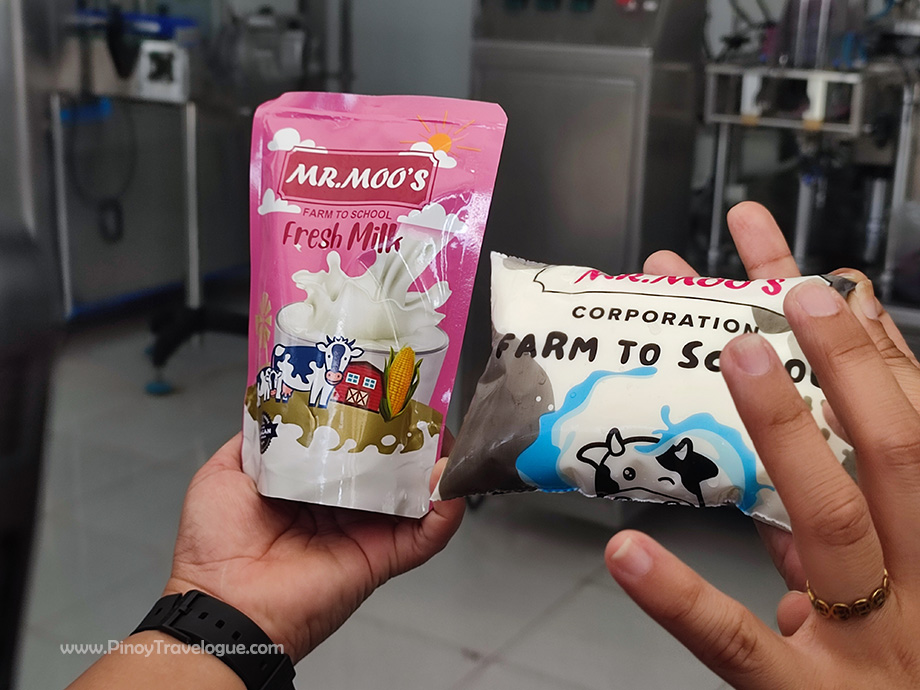
Value Chain of Dairy Products in Ilagan City
Ilagan City has a growing dairy industry, with various players involved in the value chain. Here’s a breakdown of the key stages:
1. Dairy Farming
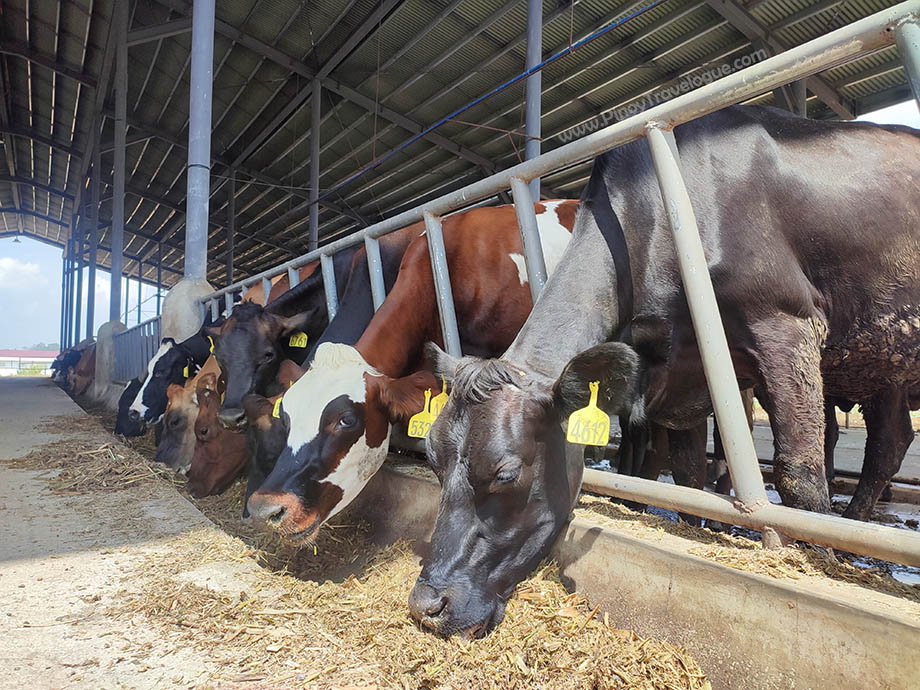
- Dairy farms: Small-scale and commercial dairy farms raise dairy cows, providing the primary source of milk.
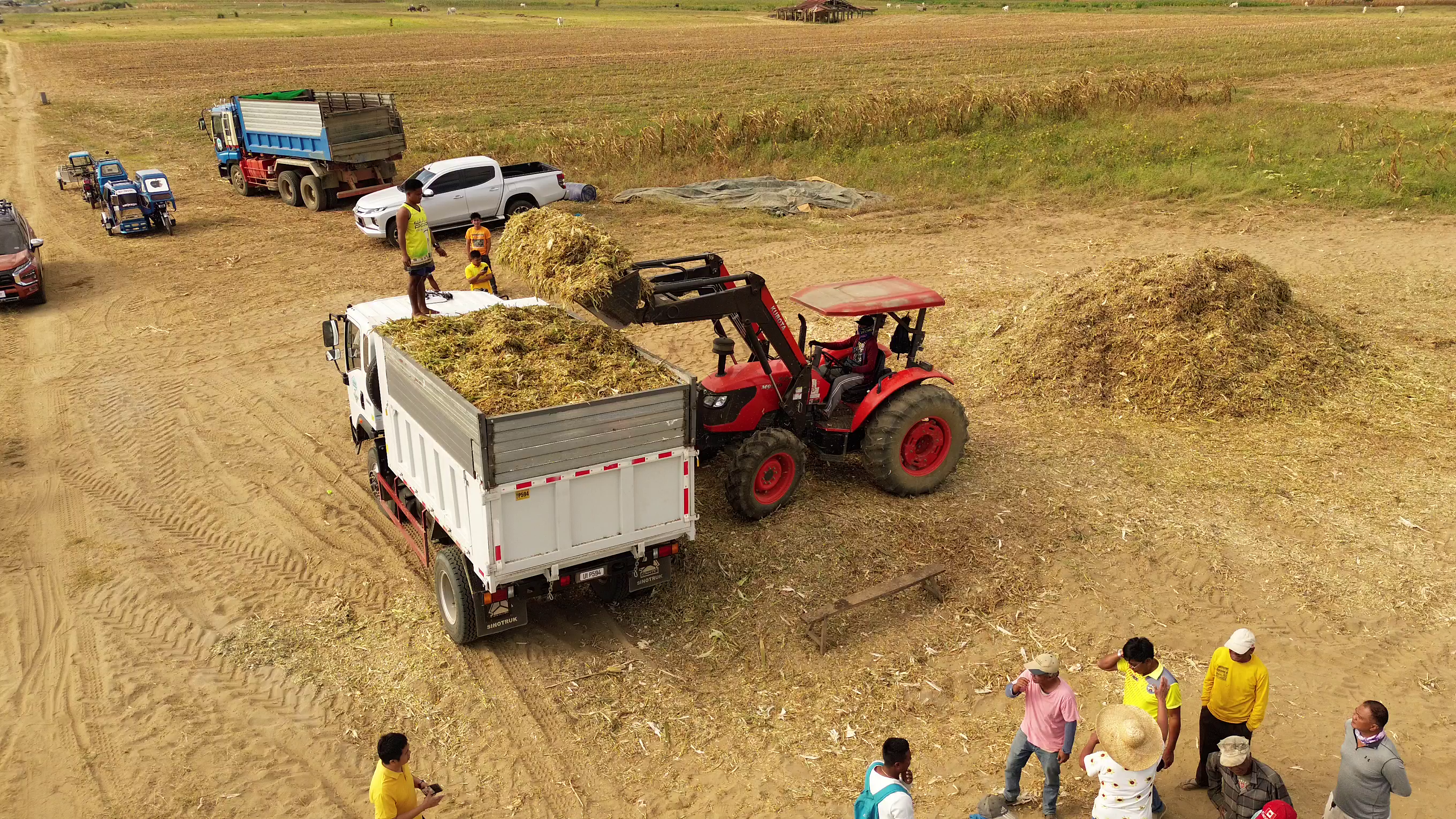
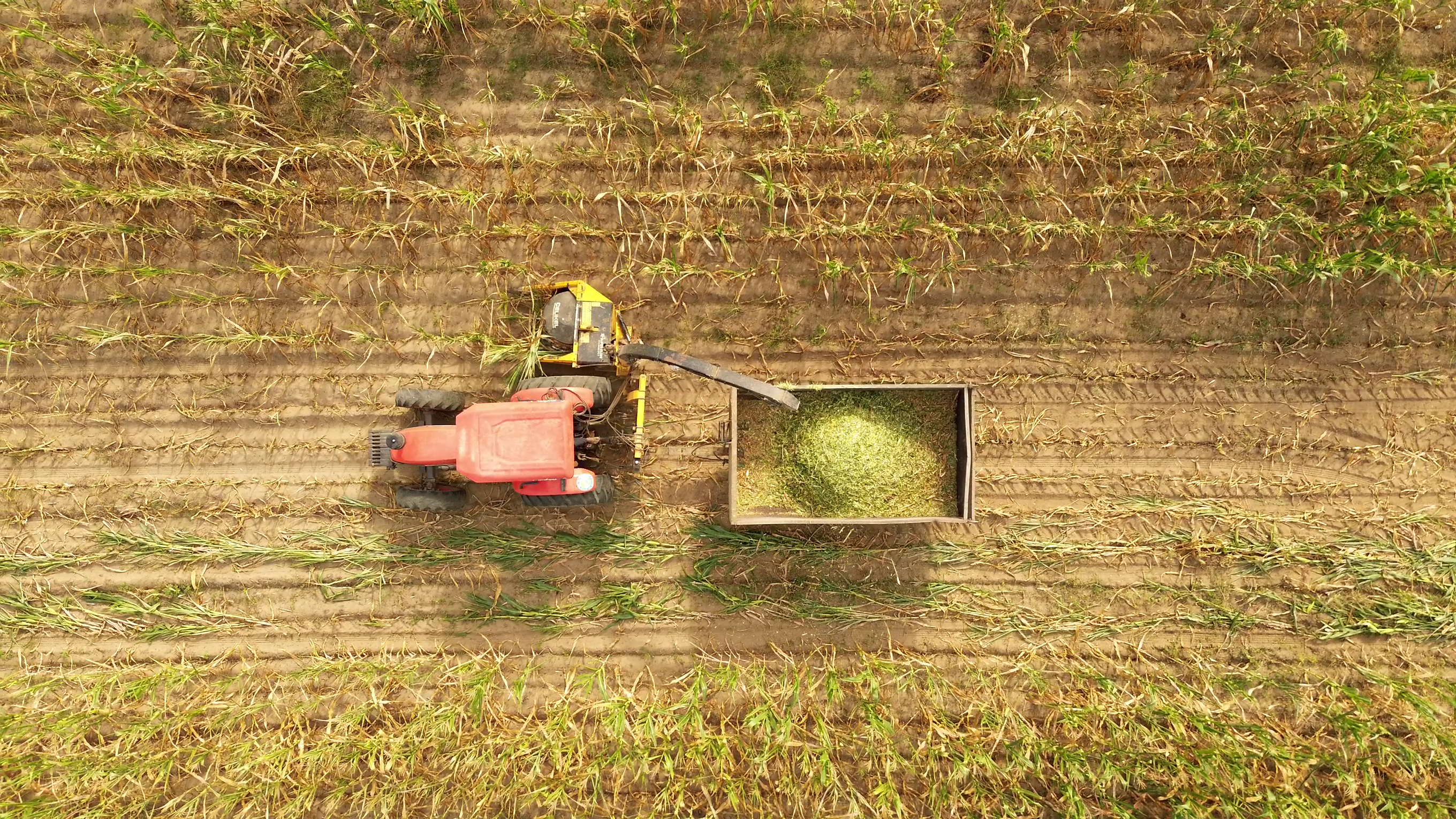
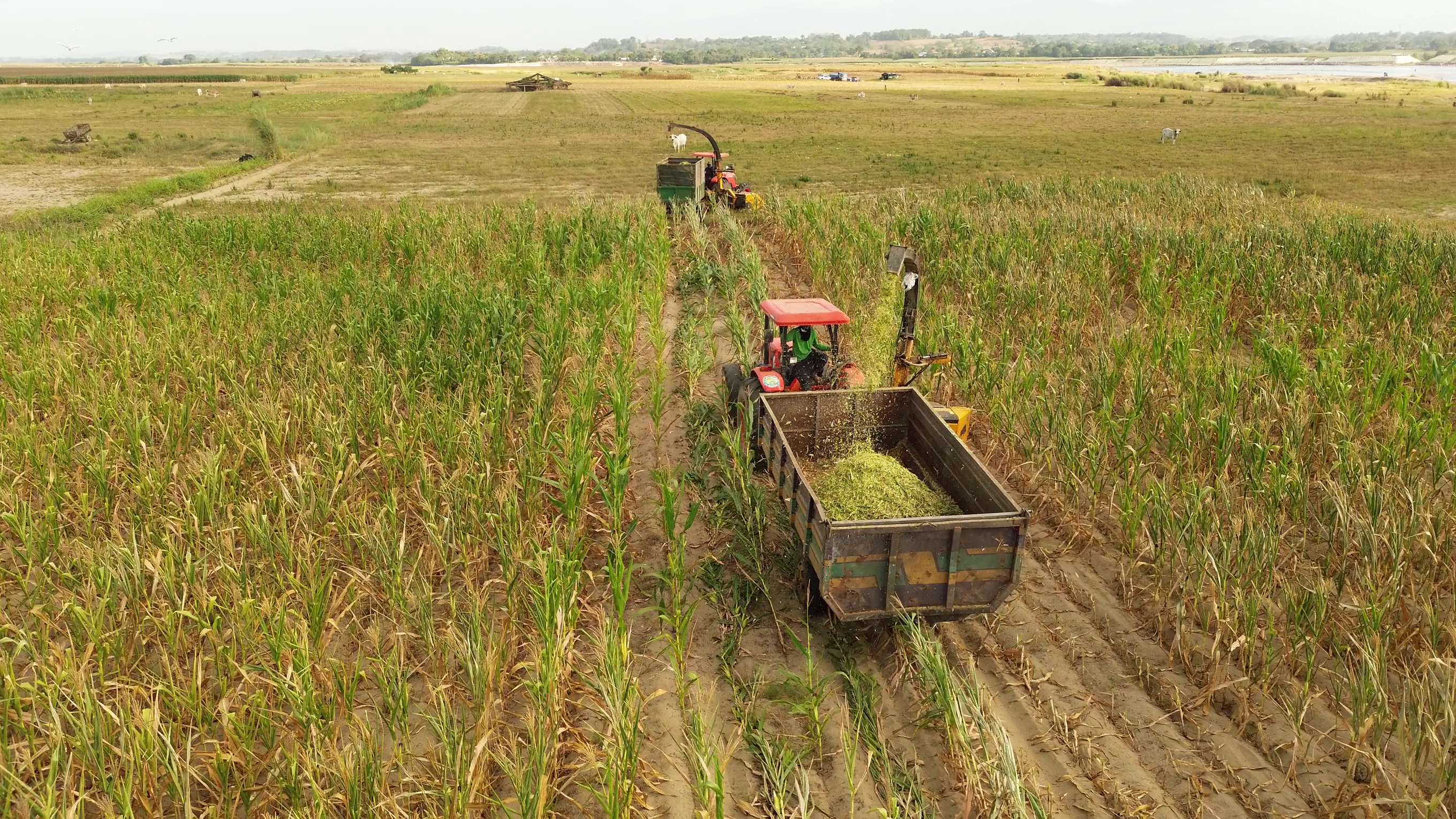
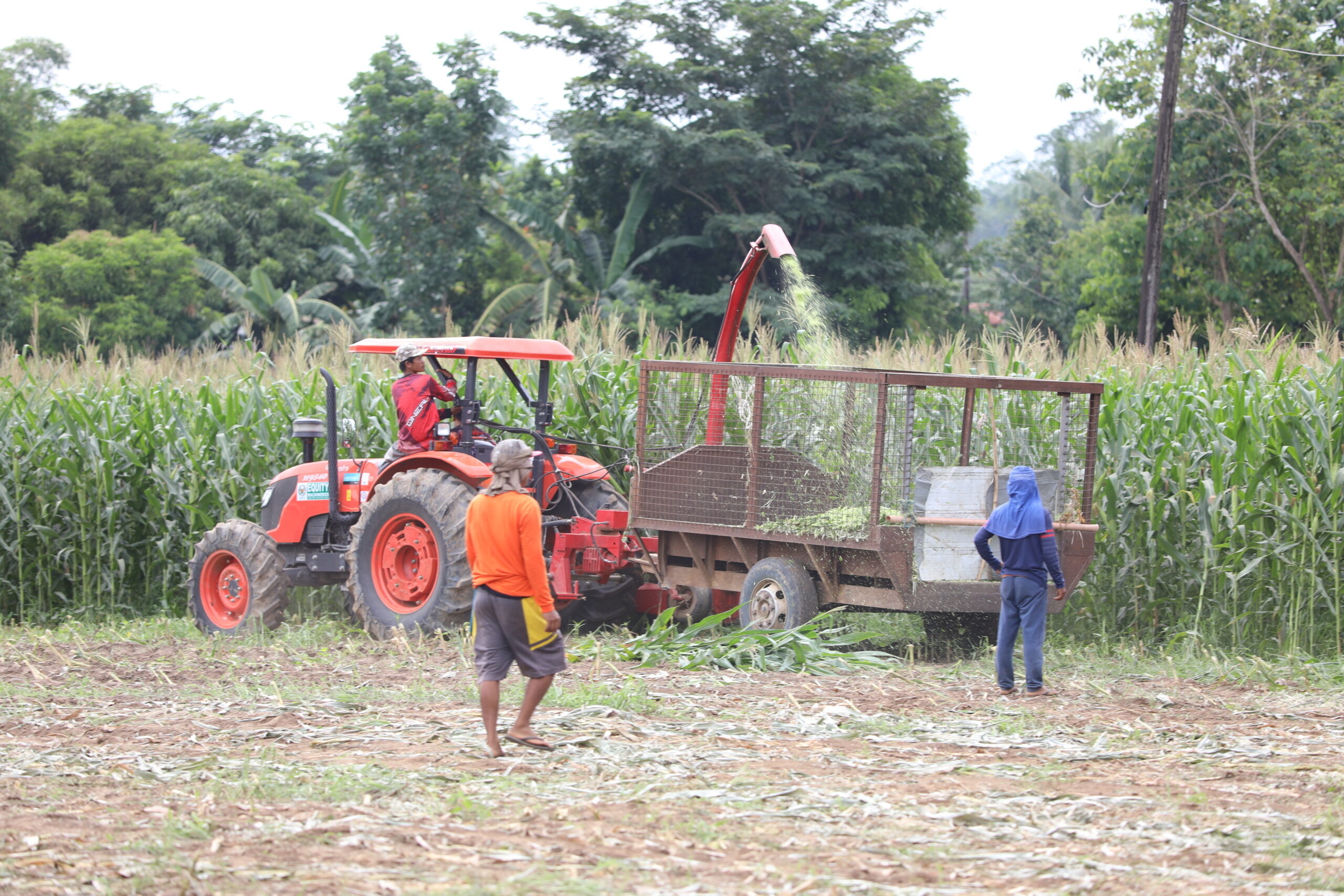
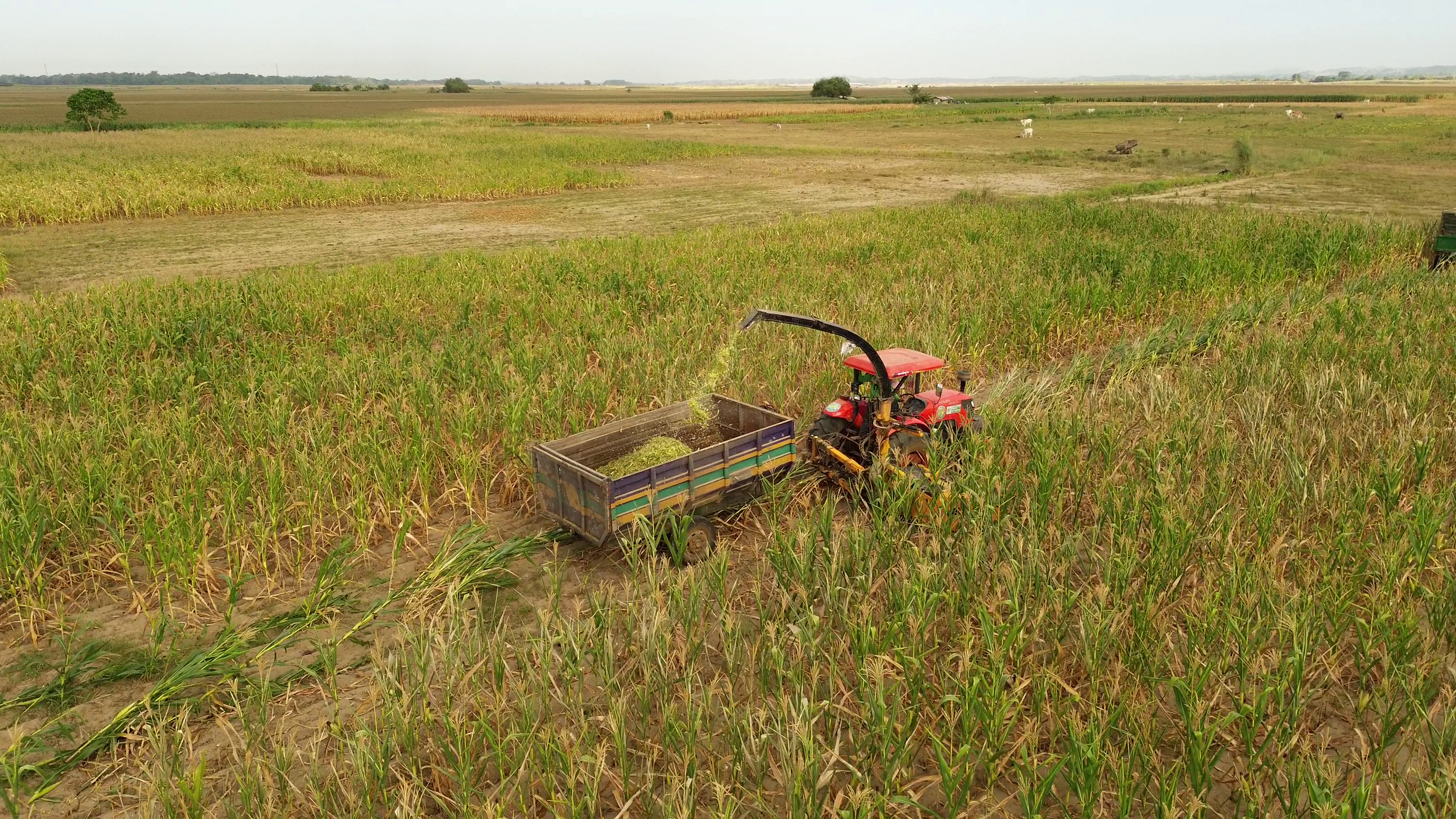
- Feed production: Farmers often produce their own feed, such as corn silage and hay, or purchase commercial feed.
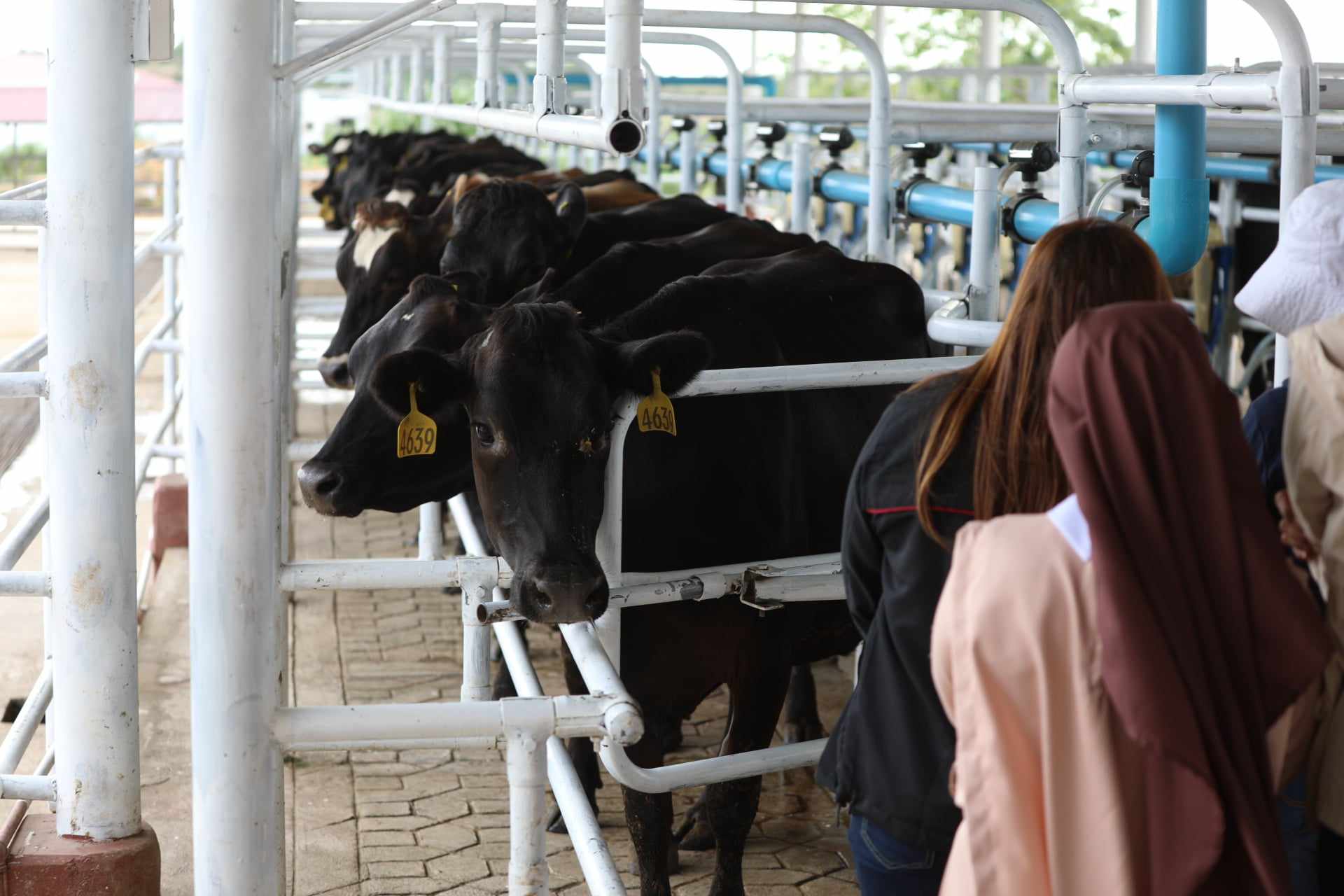
- Animal husbandry: Proper care and management of dairy cows, including milking, breeding, and health monitoring, are essential for efficient production.
2. Milk Collection
- Milk collection centers: Local cooperatives or private companies collect milk from dairy farmers.
- Quality control: Milk is tested for quality and safety before being transported to processing facilities.
3. Milk Processing
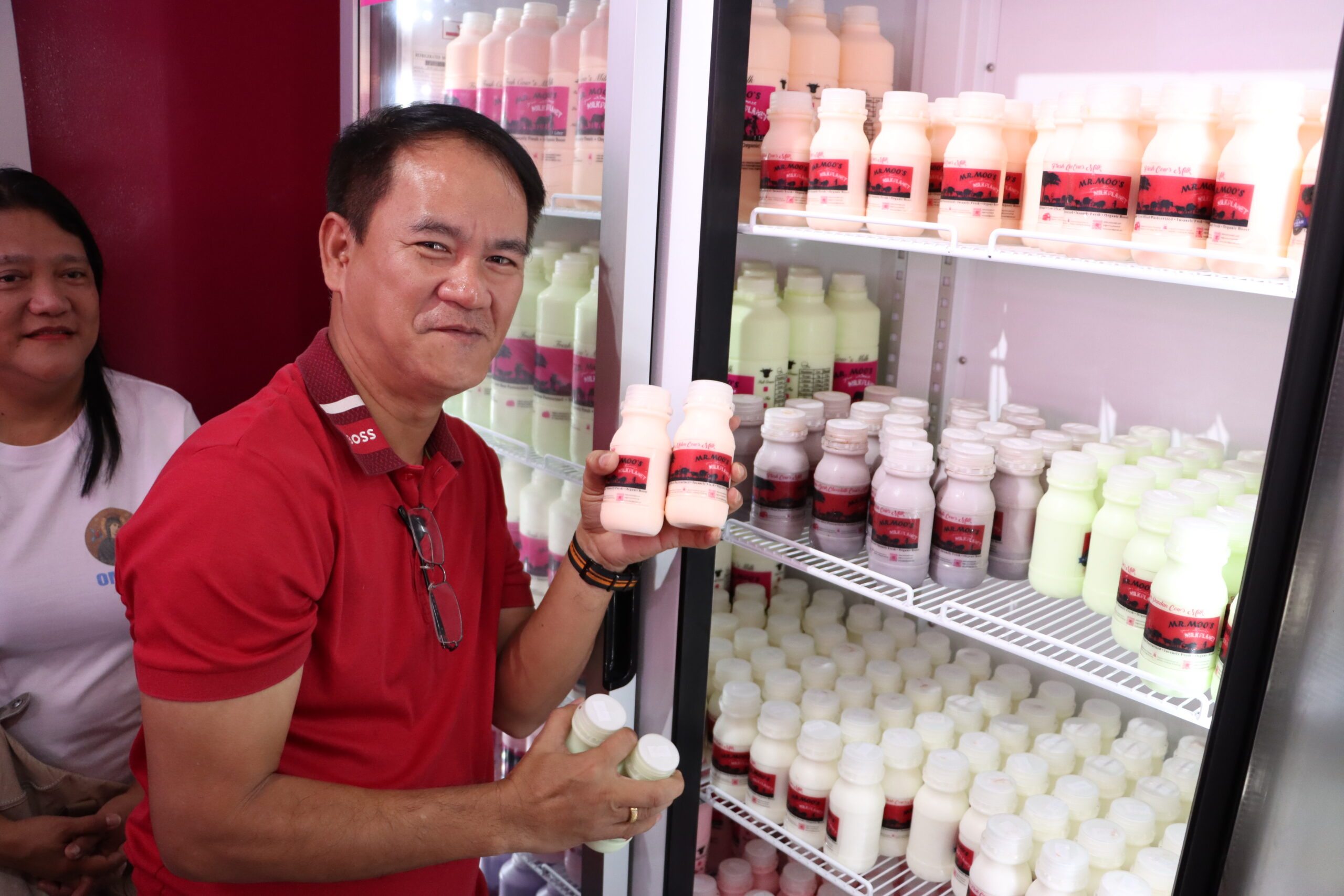
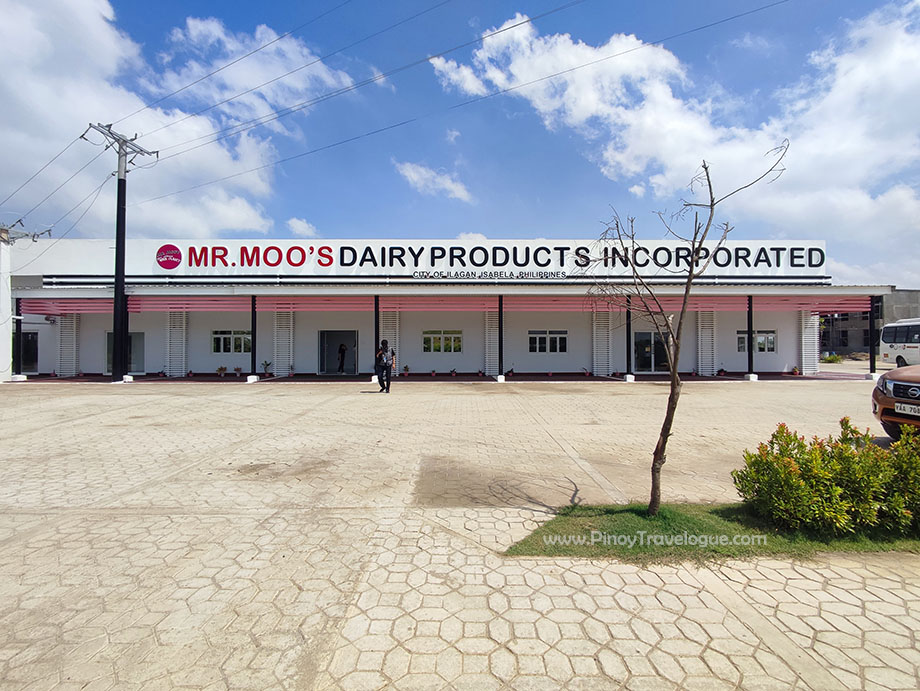
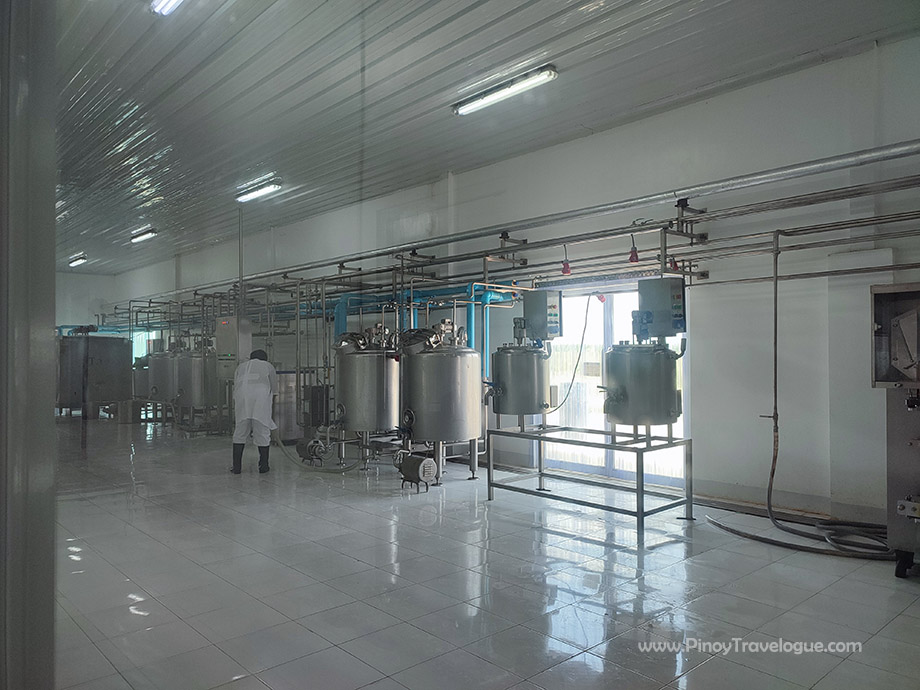
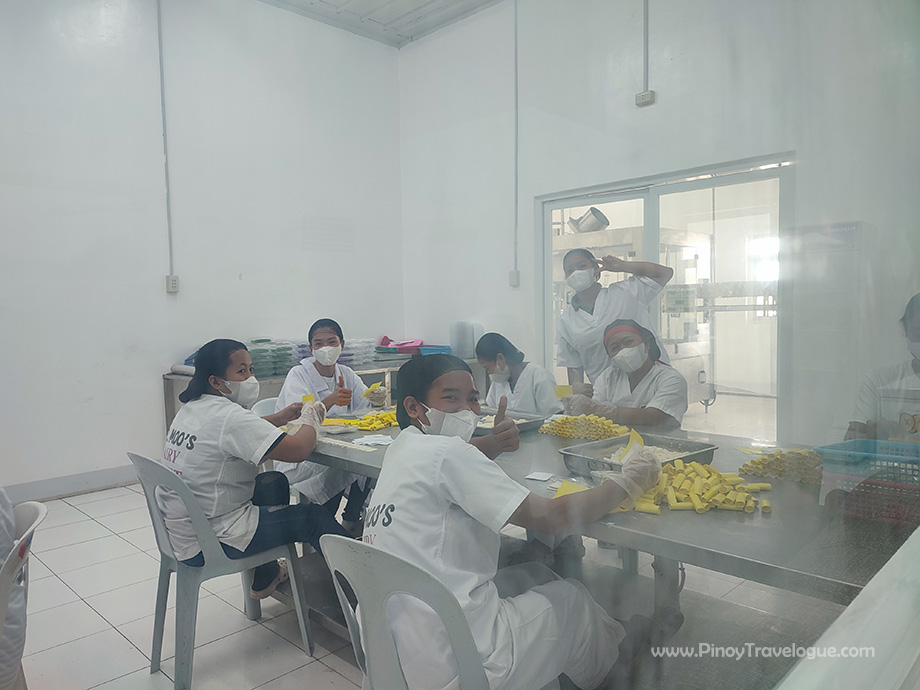
- Dairy plants: Milk is processed into various dairy products, including:
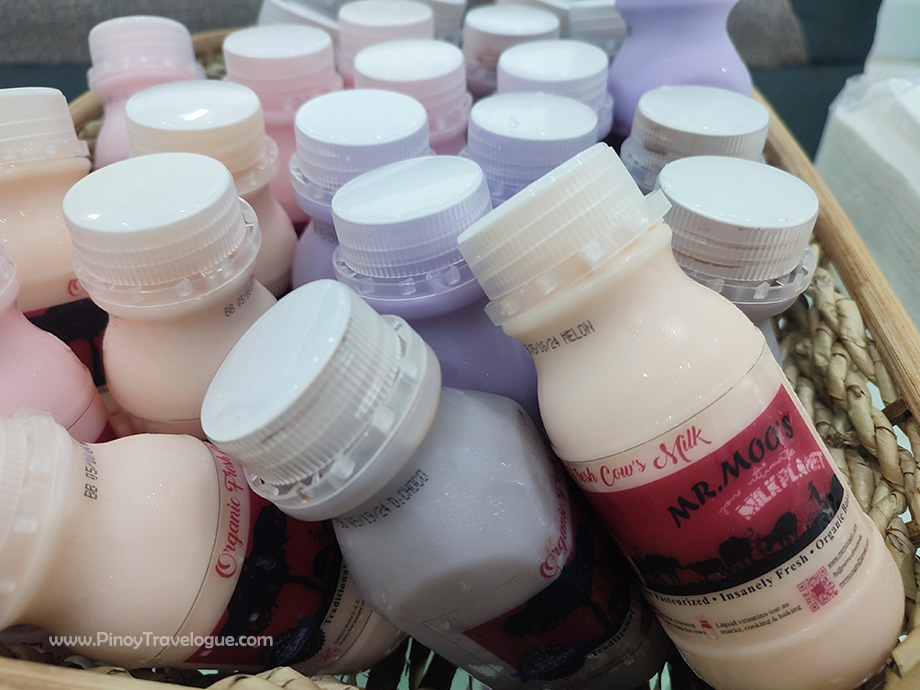
- Fresh milk
- Yogurt
- Cheese
- Butter
- Ice cream
- Value-added products: Some dairy plants may also produce value-added products like milk tea, cheese spreads, and yogurt drinks.
4. Distribution
- Wholesalers and distributors: Processed dairy products are distributed to wholesalers and distributors.
- Retailers: Dairy products are sold to supermarkets, grocery stores, convenience stores, and other retailers.
- Food service: Dairy products are also supplied to restaurants, hotels, and other food service establishments.
5. Consumption
- Consumers: Dairy products are consumed by individuals and families for their nutritional value and taste.
- Food processing: Dairy products may also be used as ingredients in other food products.
Challenges and Opportunities
- Infrastructure: Improving infrastructure, such as roads and cold storage facilities, can enhance the efficiency of the dairy value chain.
- Market access: Expanding market access for dairy products, both domestically and internationally, can increase demand and profitability.
- Technology: Adopting modern technologies, such as improved milking machines and feed management systems, can enhance productivity and efficiency.
- Value-added products: Developing a wider range of value-added dairy products can increase revenue and create new market opportunities.
By addressing these challenges and capitalizing on the opportunities, Ilagan City can further strengthen its dairy industry and contribute to the local economy.